Archived
Retired December 2025 when Anthropic shipped Projects, Cowork, and cross-session memory — the platform features this prototype was designed to emulate. The charter document pattern became the cold-start docs used in every project since, and the specialized-instance model became the foundation of Context-Station Architecture.
mTm-Ch
Personal AI infrastructure solving the hardest problem in LLM workflows: context that survives session boundaries
Published:
Context
Working across multiple Claude interfaces (web, code, API) and multiple AI providers means constantly re-establishing context. Every new session starts from zero. Months of shared understanding — architecture decisions, project conventions, debugging history — evaporates at session boundaries. The token is cheap; the context is expensive.
Approach
Built a multi-agent Claude infrastructure with specialized instances:
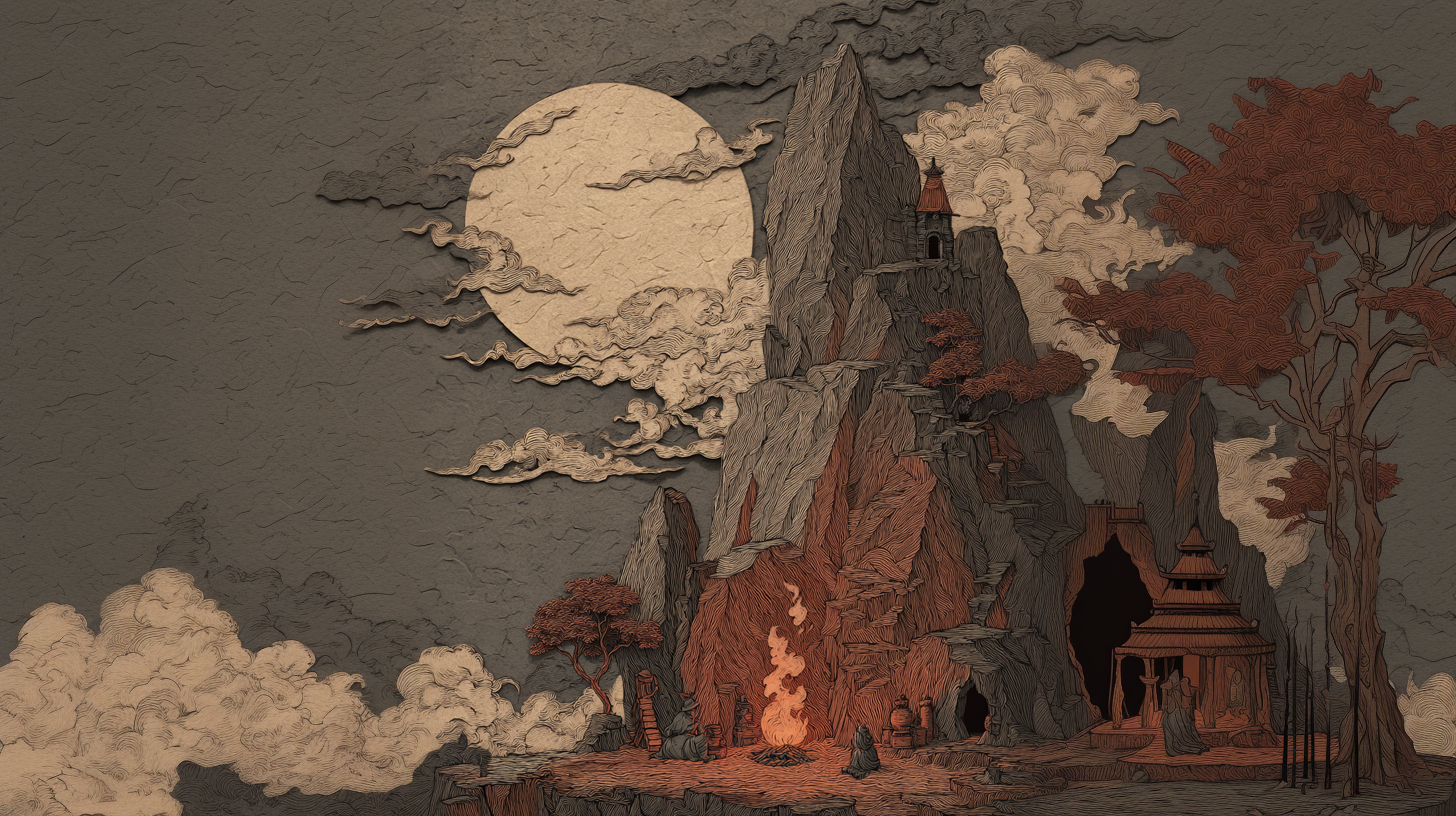
- Mountaintop Monk: Conversational instance for thinking, planning, and strategic work
- Cave Hermit: Code-focused instance for development and implementation
Both share a "charter document" system — fast-loading context documents that instantly establish shared understanding regardless of session state. The charter acts as a cold-start protocol: any new session inherits the full project context without manual briefing.
Currently in deep testing: pushing the limits of shared multi-agent context to determine how much persistent state can survive handoffs between specialized agents. UI redesign underway based on testing findings.
Outcome
Basic functions live. Deep testing underway with active UI redesign. Architecture validated through daily personal use — dogfooding the product before any external release. Testing is specifically targeting the boundaries of multi-agent context sharing to document what works, what breaks, and where the hard limits are.