Archived
Shelved in January 2026 when the agent-builder market commoditized. The project's real contribution was spawning Limner as a sub-agent for VGA-style visual assets — which revealed that agents with aesthetic judgment were categorically different from agents that execute tasks. Limner became the first Taste-Enabled Creator Agent and the framework that carries the thesis forward.
Summoning Chamber
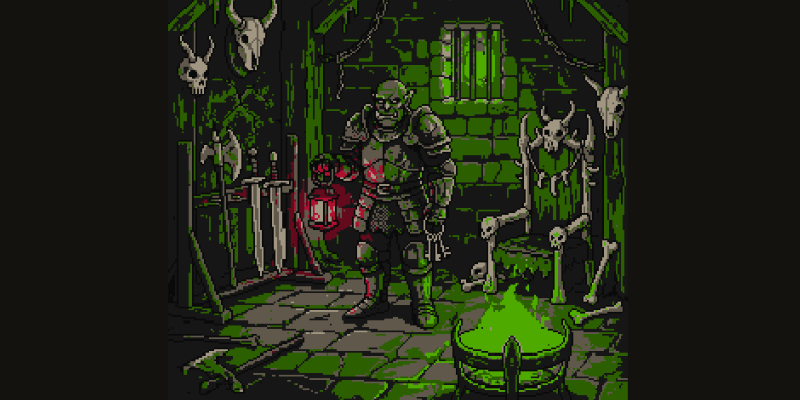
AI agent builder disguised as a 1992 DOS RPG — full product from concept to shipped build
Published:
Context
Agent builders are powerful but sterile. The tools that let you create AI agents treat the experience as purely functional — forms, dropdowns, JSON configs. But building agents is an act of creation, and the experience should reflect that.
Approach
Summoning Chamber reimagines agent building through a VGA-era RPG metaphor:
- AI providers become Lands of Origin (10 fantasy realms)
- Agent roles become Character Classes (11 archetypes)
- System prompts become Sworn Oaths
- Tools become Equipment slots
- The agent config file (.summon.md) becomes a Character Sheet
Full product design locked before development began. Complete mapping system translating every AI configuration concept to RPG mechanics. 18-week phased roadmap with parallel development and asset production tracks.
Outcome
Main development build complete. v1.0 pixel graphic asset set locked (produced via the Limner pipeline — Card 2). Currently compiling prompt and source databases for initial agent options, launching with Anthropic models first. Zod schemas validated. SvelteKit routes built. Cloudflare infrastructure deployed.
Project Lineage
Summoning Chamber spawned the Limner agent (Image Asset Pipeline) out of necessity for VGA-era pixel assets. The Limner workflow learning then enabled the portrait project. One product vision generating multiple reusable capabilities.